
"coffee hair treatment"
400 article(s) found

Wet treatment is also called water washing and fermentation.
Wet treatment (lavado), also known as water washing fermentation. After the coffee fruit is transported to the coffee processing plant, the peel and flesh of the coffee are removed together with the peeling machine (despulpadora). The coffee beans are still wrapped in a parchment shell, while the parchment shell is covered with a layer of sticky and sweet pectin. Set

Long-lasting sweetness of Colombian Coffee Lazimus Manor Origin and Development process Market Environment simple
Country of origin: Colombia Colombia producing area: Cauca Cauca variety: Geisha altitude: 1950-2050 Meters treatment: washed Washed flavor description: lemon, orange, black tea, fruit juice, honey, sweet lasting manor: Colombian Cymbidium Bolivar country of origin: Colombia Colombia producing area: Cymbidium Huila variety: Castillo,Catur

Coffee treatment what is the difference between the general washing method and the Kenyan natural fermentation washing method?
Professional coffee knowledge exchange more coffee bean information please follow the coffee workshop (Wechat official account cafe_style) Qianjie Coffee introduction Coffee treatment comparison between general washing method and Kenyan natural fermentation washing method. 1. The first is general washing: [natural fermentation washing treatment A] process: harvesting, peeling, natural fermentation, 12-24 hours washing and sun drying [natural hair]

How about premium coffee with special treatment in Honduras? Introduction of anaerobic 90-hour fermentation treatment technology
Country of origin: Honduras region: Copan region Kogin Farm: Finca San Rafael- Norma Ellis Fialos altitude: 1350m Variety: red Kaduai processing: anaerobic fermentation, extended fermentation for 90 hours, drying flavor on an elevated bed: with cherry liqueur, raisins, dark chocolate, tamarind and floral aromas. Finca San Rafael is located in Hongdu.

An introduction to the Origin, Development, History and Culture of the Coffee Manor in Nicaragua
[Nicaragua Jim Molina Manor Honey treatment Red bourbon] country: Nicaragua production area: La Sabana,Madriz Manor: Jaime Molina Jim Molina Manor owner: Montecristo treatment Plant: Jaime Jose Molina Fiallos altitude: 1400-1450m Harvest time: December-March of the following year: honey treatment varieties: red bourbon flavor description:

Description of the flavor characteristics of washed Yejia Coffee Ding Ding beans
Thousands of years of planting history and processing tradition in Ethiopia have created high-quality washed Arabica beans, and Yegashafi is synonymous with one of Ethiopia's fine washed coffee. It has been a wetland since ancient times. The ancient saying "Yirga" means to settle down and "Cheffe" means a wetland. Therefore, the mode of production and flavor of coffee here are outstanding, and it has become popular in Africa.

Introduction to the flavor and taste of Colombian coffee the characteristics of Colombian Coffee Hope Manor
What I like most is that there is absolutely no instant in the cafe here, which is now cooked and sold, and the young lady sends the brewed coffee with exquisite porcelain bowls. she adds sugar at will, fragrances all over the room, takes a sip, lips and teeth are sweet, and the mellow fragrance has long been contained in the bottom of my heart, fragrant and memorable. When I checked out for the wood carving in my hand, a fluffy red-haired employee proudly told me: if you want to find

Introduction to the flavor and taste of Indonesian musk cat coffee
The male of the cat has a pair of well-developed cystic aromatic glands near the perineum under the anus, and the male opens a pear-shaped sachet between the testis and the penis. There is a longitudinal crest in the front of the inner wall and 3-4 folds on both sides. There are two deep and large depressions on each side, with short hairs on the inner wall; the sachet opened by the female is mostly square, and there is only one in the middle of the inner wall.

Introduction to the treatment methods of coffee beans: natural washing method, honey treatment method, water washing method and natural solarization method
Natural washing is very common in Brazil. The natural washing method is very similar to the water washing method, except that the natural washing method uses a high-pressure washing machine to remove the mucous membrane of the coffee surface, thus skipping the fermentation process. Several raw coffee processing companies in Brazil and Colombia have patented this method and have become local natural water system processing monopolies. this

Introduction to the unique flavor of Indonesian civet coffee flavor and taste of fine coffee in manor area
The male of the cat has a pair of well-developed cystic aromatic glands near the perineum under the anus, and the male opens a pear-shaped sachet between the testis and the penis. There is a longitudinal crest in the front of the inner wall and 3-4 folds on both sides. There are two deep and large depressions on each side, with short hairs on the inner wall; the sachet opened by the female is mostly square, and there is only one in the middle of the inner wall.

What are the treatment methods of raw coffee beans? which is better, capsule coffee machine or traditional coffee machine?
Natural washing is very common in Brazil. The natural washing method is very similar to the water washing method, except that the natural washing method uses a high-pressure washing machine to remove the mucous membrane of the coffee surface, thus skipping the fermentation process. Several raw coffee processing companies in Brazil and Colombia have patented this method and have become local natural water system processing monopolies. this

Flavor and taste of Colombian coffee beans introduction of regional treatment methods for manor production
Taste of Colombian coffee beans: bright and varied supple fruit acids, citrus, berries, raspberries, etc., which turn soft and sweet on the entrance, thick Body like caramel, sweet hazelnut, sweet spices, fudge, stiff flowers and cool flowers in the nose, melons, almonds and sweet lime in the middle.

Coffee bean treatment Italian coffee grindability
In the process of washing, the peel and pulp of the fruit are treated with a special desizing machine and the coffee beans are peeled off. The coffee beans then enter the fermentation tank for fermentation treatment so that the mucous membrane is no longer sticky. The sugars in the mucous membrane are decomposed during fermentation. Depending on the fermentation method, the fermentation time is usually 12 hours to 6 days (some growers use the watering system to ferment coffee beans. This kind of square
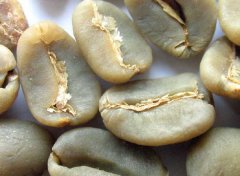
Water content of coffee beans processed and stored fresh coffee beans fresh coffee
Boutique coffee has a rich and beautiful taste. Even if the coffee made of boutique coffee beans is not all fine coffee, it depends on whether it gives full play to the characteristics of coffee beans, whether it has a good taste, if not, it can not be called boutique coffee. The term boutique coffee was first coined by Ms. Knudsen of the United States in Coffee and Tea magazine, when

Three major coffee bean treatment methods Coffee bean sun treatment is the most traditional and simple treatment.
Professional coffee knowledge exchange more coffee bean information please pay attention to the coffee workshop (Wechat official account cafe_style) front street-coffee treatment is the simplest and cheapest traditional method in coffee bean processing, the harvested fruit should be spread on the cement floor, brick floor or straw mat, put in the sun, and often rake evenly to prevent hair

Introduction of Costa Rican Red bourbon Flavor description Variety characteristics quality treatment method for Taste Coffee Bean
Costa Rican red bourbon flavor description variety characteristics quality treatment method taste introduction: bright and varied supple fruit acid, with citrus, berries, raspberries, etc., after the entrance, the acid turns soft and sweet, such as caramel thick Body, the middle has hazelnut sweet, spice sweet, fudge, nose with stiff flowers and cool flowers, melons, almonds, sweet lime

Treatment methods of Bolivian coffee beans
After the evaluation by American agricultural experts. Bolivia is found to be a paradise for the development of boutique coffee. Except for being tall and tall. The dry and wet seasons are distinct. Shade trees and fertile soil. More importantly. For two hundred years, Bolivia. The variety of coffee from Yangjas. Give priority to the delicious Tibica. The first extraordinary Cup was held in Bolivia in 2004. A total of 13 boutique bean cups scored more than 84. Be selected into the gold list. And the front

There are several kinds of coffee in the treatment of coffee beans.
In the process of washing, the peel and pulp of the fruit are treated with a special desizing machine and the coffee beans are peeled off. The coffee beans then enter the fermentation tank for fermentation treatment so that the mucous membrane is no longer sticky. The sugars in the mucous membrane are decomposed during fermentation. Depending on the fermentation method, the fermentation time is usually 12 hours to 6 days (some growers use the watering system to ferment coffee beans. This kind of square
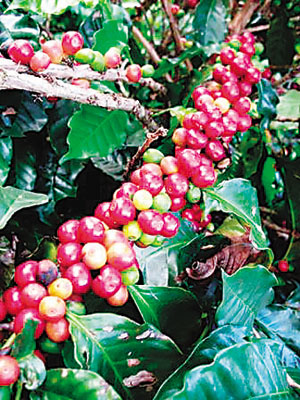
Ethiopian Coffee Edido Ediot Cooperative African Yega Sheffield Ethiopian Coffee
Production area of Edido Edidot Cooperative (1750-2300 m): Gedeo- Yega Xuefei members: 1044 people Land attribute: red brown soil can provide a set of treatment equipment certificates: Fair Trade Fair Trade, Organic organic coffee processing plant screening available berries, directly placed on the shelf exposure, just a few days before the sun will be turned every 2-3 hours to prevent excessive hair

In what way is coffee bean fermented?
Natural washing is very common in Brazil. The natural washing method is very similar to the water washing method, except that the natural washing method uses a high-pressure washing machine to remove the mucous membrane of the coffee surface, thus skipping the fermentation process. Several raw coffee processing companies in Brazil and Colombia have patented this method and have become local natural water system processing monopolies. this